Five Non‑Fiction Books by Asian Authors I’ve Loved
In honour of Lunar New Year, I’m posting a follow‑up to my earlier list of fiction by Asian authors. If you’re looking for thoughtful non‑fiction by Asian and Asian American writers - especially books that explore identity, working through trauma, mental health, and intergenerational experiences - this list continues that conversation.
If fiction helped me to feel more seen, these non‑fiction books helped me to better understand - myself, my experiences, and the systems I am part of. Some of these books also provided a portal into experiences I haven’t shared or known, and deepened my sense of connection with others and our common humanity.
I tend to gravitate toward non‑fiction that is thoughtful, emotionally honest, and reflects a transformative journey. In no particular order:
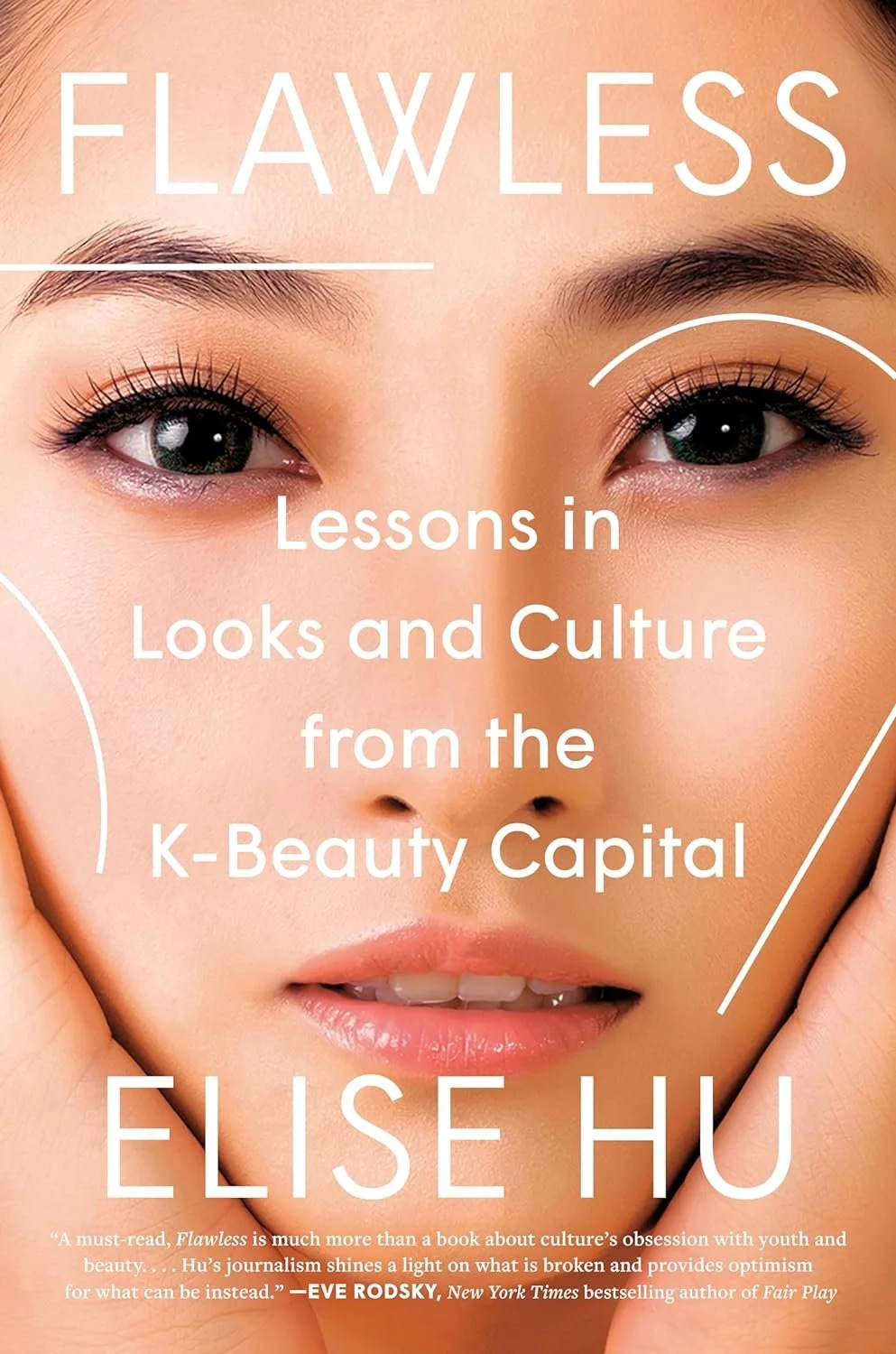
1) Flawless: Lessons in Looks and Culture from the K-Beauty Capital by Elise Hu
Hu explores the Korean beauty industry and how it has impacted global beauty norms. She investigates the immense pressure on Asian women (and increasingly men) to pursue physical perfection, and the cost on both the individual and greater society of doing so.
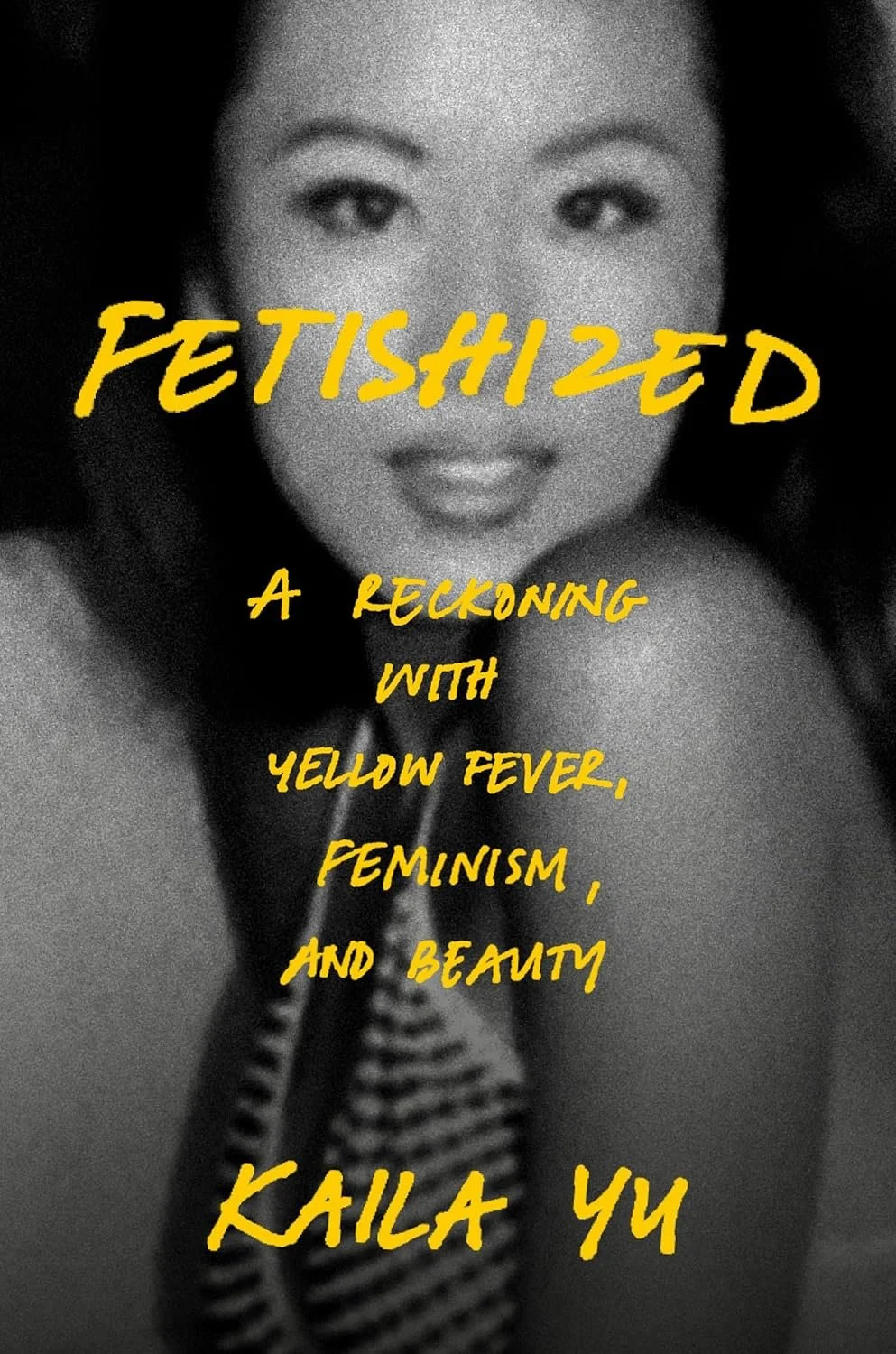
2) Fetishized by Kaila Yu
This book articulated experiences with negative self-image, racial objectification, and internalized racism that were unfortunately very common for Asian-American/Asian-Canadian women growing up in the early aughts. Yu examines how Asian women are desired, stereotyped, and objectified in Western culture, and the psychological toll of being seen through a racialized lens.
3) The Collected Schizophrenias by Esmé Weijun Wang
A series of deeply thoughtful essays on living with serious mental illness. Wang’s writing challenged many oversimplified narratives about recovery and functioning.
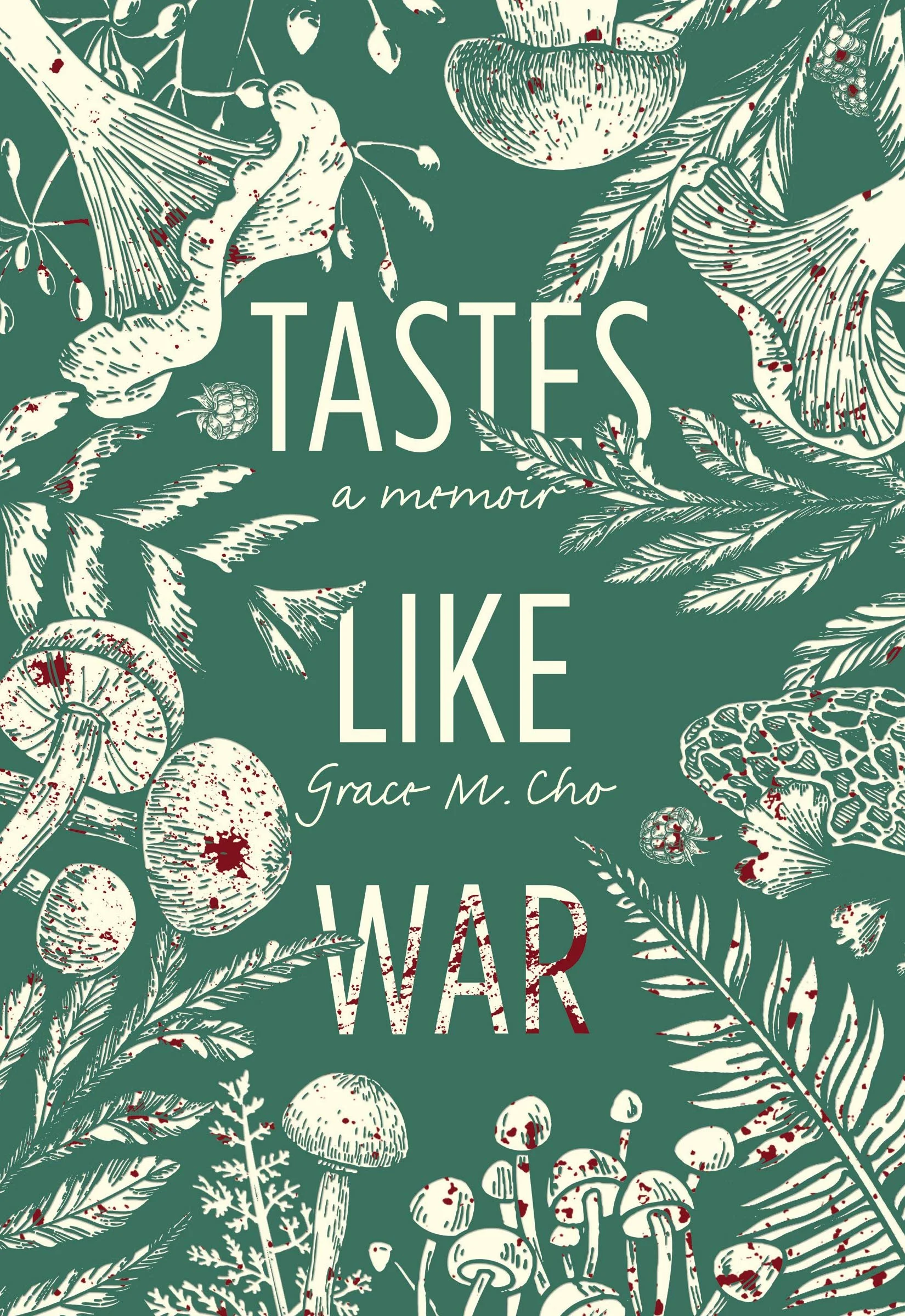
4) Tastes Like War by Grace M. Cho
This memoir looks at food, family, and intergenerational trauma in a Korean American household shaped by war.
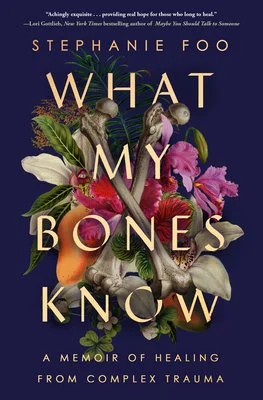
5) What My Bones Know by Stephanie Foo
Foo writes about complex trauma with honesty and so much hope. I appreciated her refusal to present healing as linear or tidy. It also includes details of her therapy sessions with a psychologist, and demonstrates the necessity of genuine, safe connection with others in healing from relational trauma.
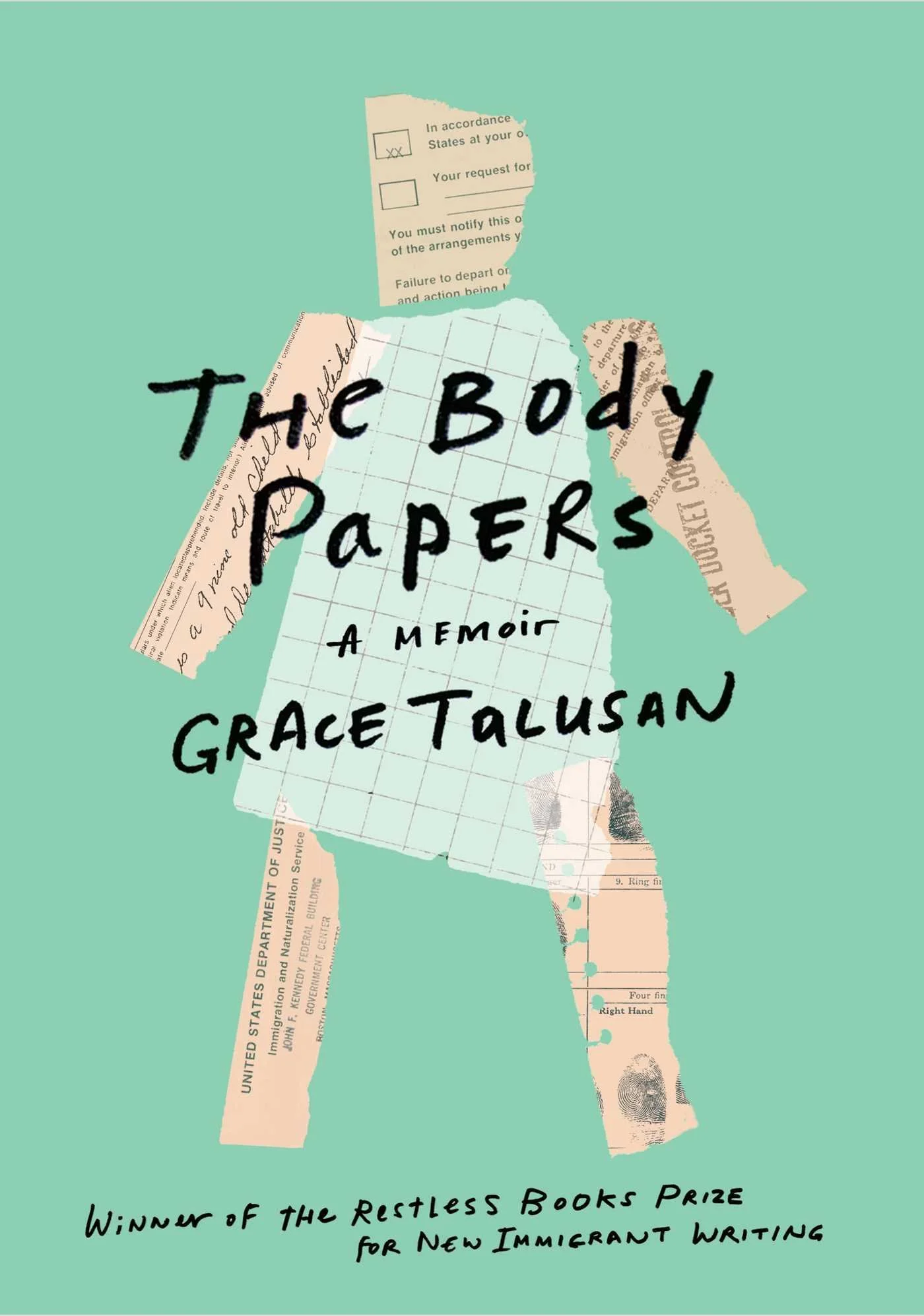
6) Bonus: The Body Papers by Grace Talusan
A powerful memoir about sexual abuse, illness, and secrecy. Talusan writes beautifully about what the body carries when families refuse to acknowledge the truth, and the cost of carrying trauma alone.
If these themes - identity, trauma, self‑worth, and the impact of culture on our inner lives - resonate with you, you don’t have to explore them alone. I work with adults navigating similar questions in therapy. You can learn more about my approach or book a consultation through my website.